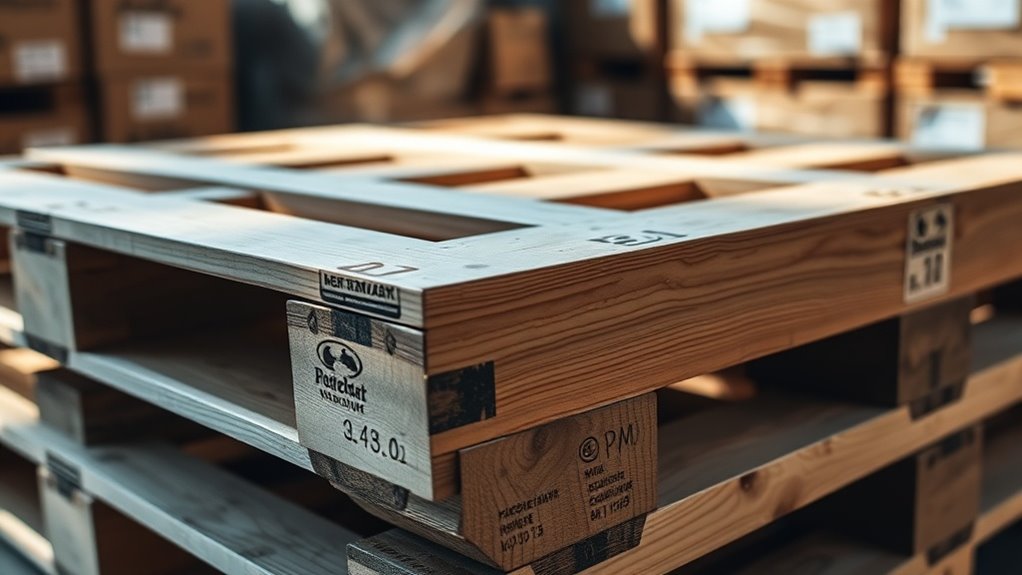
EPAL pallet documents and quality checks is easier to manage when the buying team starts with real operating facts. Each stage places a different Wooden Pallets Manufacturer in Hyderabad demand on the pallet. A good buying plan looks at all of them together. Across India, pallet needs can change with product type, route, volume, and the rules of the destination. The plan should connect the product, the handling route, the warehouse, and the buying process.
A clear drawing and a real load example are better than a product name alone. They reduce guesswork during design and production. The team should use the heaviest normal case, not the easiest example. It should also note any special load that needs a separate design. This cuts late changes and makes quotes easier to compare.
When researching EPAL wooden pallets, a buyer should confirm size, load, condition, records, and after-sales support. This review should cover the drawing, sample, tolerances, inspection method, and response to defects. A good pallet is not simply strong. It is fit for the product and the process. That practical view helps purchasing, quality, warehouse, and transport teams follow one plan.
Brief Overview
- Treat documentation as part of total performance, not only the first price. Define marks and identification early so the chosen pallet matches the real product and route. Use clear checks for EPAL authenticity instead of relying on a broad product label. Include incoming inspection in the drawing, quote, order, and incoming review. Review quality consistency with purchasing, warehouse, quality, and transport teams.
Managing Documentation and Marks and Identification in Daily Work
For EPAL pallet documents and quality checks, start with documentation. Drawings, purchase orders, treatment records, inspection notes, and delivery details form the history of a pallet order. Check the point at work. Use one approved specification and control revisions so purchasing, production, and receiving read the same information. Old drawings and verbal changes can create disputes even when both sides acted in good faith. This supports safe work. It also keeps the plan simple. The result can be checked.
Review marks and identification before you approve the order. Clear marks help teams identify pallet type, treatment status, source, and any standard that applies. Use real data. Check that required marks are legible, correctly placed, and tied to valid records where needed. A copied, damaged, or unclear mark should never replace a proper quality check. This helps the user team. The choice is easy to check. Later reviews take less time.
Reviewing EPAL Authenticity and Incoming Inspection Before Approval
Do not leave EPAL authenticity to chance. A genuine EPAL pallet is linked to approved production or repair controls and carries required identification. Write the final rule down. Review the marks, licence details, construction, condition, and supplier status rather than trusting one stamp alone. Counterfeit or altered marks can hide poor material and uncontrolled repair. This helps the user team. The choice is easy to check. Later reviews take less time.
For EPAL pallet documents and quality checks, start with incoming inspection. A quick check can find split boards, proud nails, loose blocks, contamination, wrong size, or unclear marks. Check the point at work. Use a simple receiving checklist and sample enough units to reflect the size and risk of the order. Accepting every load without review can move hidden defects into production or dispatch. This keeps work clear. Buyers gain more control. The same rule can be used again.
Practical Steps for Quality Consistency and Heat Treatment
Quality consistency can change how the pallet performs. Consistent pallets repeat the agreed size, material, joints, finish, treatment, and condition from lot to lot. Test the choice where needed. Define checks that can be measured and review trends rather than relying on a general visual impression. Wide variation can slow lines and make load behaviour hard to predict. This keeps work clear. Buyers gain more control. The same rule can be used again.
Do not leave heat treatment to chance. Export wood packaging may need approved treatment and marks under the rules of the destination market. Write the final rule down. Confirm the shipping country, current import need, treatment method, mark, and supporting record before dispatch. Teams reviewing EPAL pallets supplier in india options should compare the full specification, not only the first unit price. Missing or unclear treatment details can cause inspection issues, delay, or replacement at the last moment. This cuts doubt. The team can check the result. Repeat orders become easier.
Building a Clear Process for Supplier Capability and Procurement Control
Supplier capability is a key part of the pallet plan. A capable supplier should understand drawings, material needs, treatment, quality checks, volume, and delivery planning. Share the rule with the user team. Ask for clear specifications, samples when needed, production controls, and a contact for changes or claims. A low quote has little value if the pallet arrives late or does not match the agreed design. This cuts doubt. The team can check the result. Repeat orders become easier.
Procurement control can change how the pallet performs. A strong purchase process links the user need, approved drawing, supplier quote, sample, order, inspection, and review. Test the choice where needed. Assign an owner to each step and keep exceptions visible before production starts. Skipping one approval can pass an old or incomplete requirement into a full order. This gives the buyer control. It keeps the process simple. The rule can guide repeat work.
Frequently Asked Questions
How should buyers review documentation?
Review it before the quote and drawing are approved. Use one approved specification and control revisions so purchasing, production, and receiving read the same information. Keep the final rule in the order or drawing.
When should a team confirm incoming inspection?
Confirm it before production or dispatch. Check it again when the product, route, volume, or equipment changes. Routine inspection gives buyers early control over quality.
What record helps track supplier capability?
Use an approved drawing, order note, sample result, or check record. Ask for clear specifications, samples when needed, production controls, and a contact for changes or claims. Keep each change clear and dated.
What is a common mistake with marks and identification?
A common mistake is using a broad guess or an old rule. A copied, damaged, or unclear mark should never replace a proper quality check. Check that required marks are legible, correctly placed, and tied to valid records where needed.
Why does quality consistency matter for EPAL pallet documents and quality checks?
Consistent pallets repeat the agreed size, material, joints, finish, treatment, and condition from lot to lot. Wide variation can slow lines and make load behaviour hard to predict. A clear rule helps the team make a sound choice.
Summarizing
EPAL pallet documents and quality checks works best when the pallet is treated as part of the full unit load. Define the product, weight, footprint, route, handling method, storage plan, and expected life. Then compare suppliers against one written requirement. This approach makes price, quality, and timing easier to judge.
Start with the points that create the highest risk, then test the choice in real work. Keep useful records and review damage or delay with facts. For teams in India, a steady process can support safer handling, clearer buying, and more reliable pallet supply.